
How Does Chemical Deicing Work?
What Are the Benefits and Limitations of Sodium Chloride Ice Melt?
How Does Calcium Chloride Ice Melt Perform in Extreme Cold?
How Do Ice Melt Products Affect Infrastructure and the Environment?
How Can You Evaluate Ice Melt Formulations from Different Manufacturers?
How Can You Secure Reliable Ice Melt Delivery and Supply Before Winter?
When the temperature drops and winter storms approach, property managers, facility directors, and homeowners face a critical challenge. Keeping walkways, driveways, and parking lots safe from ice accumulation is not just a matter of convenience. It is a fundamental liability and safety issue that requires proactive planning and deep technical knowledge. The market is flooded with various deicing agents, but the industry standard debate almost always comes down to two primary chemical compounds.
In this comprehensive guide, we will explore the intricate science, practical applications, economic factors, and environmental impacts of the two most dominant deicers on the market. By understanding the profound differences between these materials, you can make informed decisions that protect your property, your budget, and the local ecosystem over the long term. This deep dive will equip you with the expertise needed to navigate winter hazards like a seasoned facility management professional.
Understanding the Science: How Chemical Deicing Actually Works
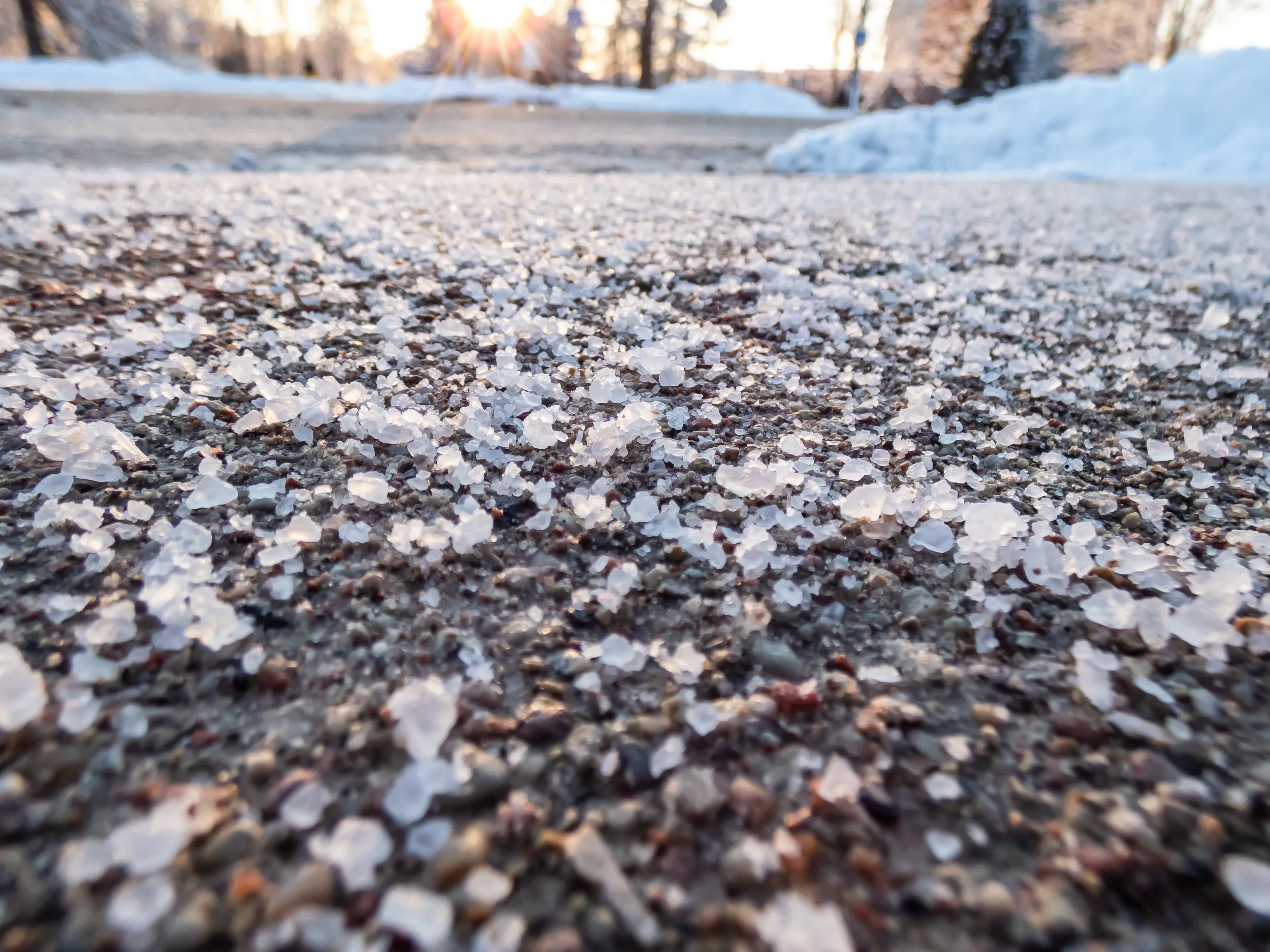
To truly appreciate the differences between various deicing agents, one must first understand how they actually interact with frozen precipitation. Ice melts do not simply destroy ice through sheer mechanical force. Instead, they operate on a fundamental chemical principle known as freezing point depression. Pure water freezes at 32 degrees Fahrenheit. However, when a solid salt comes into contact with ice or snow, it must first dissolve into a liquid to form a brine. This newly created brine solution has a significantly lower freezing point than pure water.
As long as the ambient temperature remains above the freezing point of this specific brine, the ice will turn into liquid water and flow away from the surface. The speed, efficiency, and duration of this melting process depend entirely on the chemical properties of the specific salt compound being used, the ambient air temperature, the pavement surface temperature, and the amount of moisture present in the environment. If the temperature drops below the freezing point of the brine, the liquid will refreeze, often creating a layer of black ice that is far more dangerous than the original snow accumulation.
The physical shape of the deicer also plays a crucial and often overlooked role in the mechanics of ice removal. Solid deicers generally come in three forms: pellets, flakes, and irregular granules. Spherical pellets are designed to bore straight down through the ice to the surface below. Once they reach the pavement, they spread out underneath the ice, breaking the physical bond between the frozen layer and the concrete. This allows for easy mechanical removal with a shovel or plow. Flakes or irregular granules, on the other hand, tend to stay on the surface and spread out horizontally. They melt a wider surface area but take significantly longer to penetrate deep, hard-packed ice layers.
Furthermore, the state of the surrounding environment dictates how quickly a solid deicer can begin its work. A deicer cannot function until it turns into a liquid brine. If the environment is exceedingly cold and dry, some chemicals will simply sit on top of the ice, completely inert, waiting for friction from foot traffic or the sun’s radiant heat to provide enough initial liquid to start the chemical reaction. Understanding these fundamental mechanisms is the first and most vital step in mastering winter property maintenance, allowing you to match the physical and chemical properties of your deicer to the exact weather conditions you are facing.
The Profile of Sodium Chloride Ice Melt
The most common, historically prevalent, and economically accessible deicer in the world is standard rock salt. If you have ever purchased a basic, heavy bag of winter deicer from a local hardware store or seen massive municipal plow trucks spreading heavy granular material onto the highway, there is a very high probability that you were looking at this exact compound. For the sake of covering all industry terminology and standard product classifications, we will analyze Sodium Chloride Ice Melt in exhaustive detail.
Sodium chloride is an endothermic chemical. In the realm of chemistry, an endothermic reaction means that as the compound dissolves into moisture to form a brine, it actively draws heat from its surrounding environment. Because it must extract ambient heat to facilitate the melting process, its effectiveness drops precipitously as the ambient air and pavement temperatures fall. In practical, real-world winter applications, rock salt begins to lose its melting efficiency rapidly around 20 degrees Fahrenheit. Once temperatures drop to 15 degrees Fahrenheit or below, sodium chloride becomes essentially useless. It will sit on top of the snow and ice without forming the necessary brine to break down the frozen layer, providing only a small amount of mechanical traction.
Despite its severe temperature limitations, rock salt remains the undisputed backbone of municipal, commercial, and residential winter maintenance programs. The primary advantage driving this dominance is cost. Sodium chloride is mined extensively in massive underground operations around the world. It requires minimal refinement or processing before it is ready for consumer and commercial use, and it is widely available in virtually every global market. For massive applications like clearing hundreds of miles of interstate highways or maintaining expansive commercial retail parking lots in moderate winter climates, absolutely nothing beats the sheer economic efficiency of sodium chloride.
However, the operational drawbacks of standard rock salt are significant and must be calculated into the total cost of ownership. Sodium chloride is highly corrosive to unprotected metals. It poses a constant and severe threat to vehicle undercarriages, reinforced concrete structures containing steel rebar, exterior metal staircases, and commercial entry doors. Furthermore, as sodium chloride brine dries, it leaves behind a distinct, stubborn white powdery residue. This residue is inevitably tracked into commercial buildings, hospitals, and homes on the bottom of shoes. Once inside, it actively ruins commercial carpets, degrades expensive hard floor finishes, and strips wax coatings. Facility managers must factor in the drastically increased interior janitorial costs, including frequent carpet extractions and hard floor refinishing, when utilizing standard rock salt immediately outside their entrances.
The Advanced Capabilities of Calcium Chloride Ice Melt
When winter conditions transition from mildly inconvenient to severely hazardous, maintenance professionals turn to a much more aggressive and scientifically advanced chemical solution. Calcium Chloride Ice Melt represents the absolute premium tier of winter deicing products. It operates on completely different chemical and thermodynamic principles than standard rock salt, making it the weapon of choice for extreme environments.
Unlike sodium chloride, calcium chloride is highly hygroscopic. This technical term means it actively and aggressively attracts moisture directly from the atmosphere. It does not need to wait for snow to melt under the sun to begin forming a brine. Instead, it pulls ambient humidity from the cold winter air to jumpstart the dissolution process instantly upon application. Furthermore, calcium chloride is deliquescent. This means it can absorb enough atmospheric moisture to completely dissolve itself into a liquid state even before it touches the ice.
Most importantly, the chemical process of calcium chloride dissolving into water is highly exothermic. As it forms a brine, it releases a significant amount of sensible heat. This intense chemical reaction allows calcium chloride to literally burn its way through thick, hard-packed ice with incredible speed, even in brutally cold, sub-zero conditions. While rock salt stops working entirely at 15 degrees Fahrenheit, calcium chloride continues to melt ice efficiently and rapidly all the way down to a staggering -25 degrees Fahrenheit.
Because of its unmatched speed and extreme cold-weather capabilities, calcium chloride is the strictly mandated choice for critical infrastructure where safety and accessibility cannot be compromised under any circumstances. Hospital emergency room entrances, critical first responder vehicle ramps, steep high-traffic pedestrian stairways, and ADA-compliant walkways rely heavily on this compound to prevent slip-and-fall incidents.
However, this premium performance comes at a premium financial price. Pure calcium chloride is significantly more expensive to manufacture and purchase than rock salt. Additionally, because it is hygroscopic and retains moisture, it remains in a liquid brine state for a very long time without drying out. While this prevents refreezing, over-application can leave behind a slick, oily-feeling residue on smooth hard surfaces like polished concrete or interior tile. This residue can inadvertently create a completely different type of slip hazard if tracked indoors, requiring specialized neutralizer floor cleaners to properly remove.
Infrastructure Preservation and Environmental Considerations
The modern winter maintenance industry is facing intense and increasing regulatory scrutiny regarding the environmental footprint of all deicing chemicals. The impact extends far beyond the immediate pavement. When the spring thaw arrives, millions of tons of applied chlorides are washed directly into municipal storm drains. These drains eventually empty into local freshwater streams, rivers, lakes, and vital groundwater aquifers.
High chloride concentrations in freshwater waterways are highly toxic to aquatic life. Elevated salt levels can disrupt the natural seasonal mixing of lake waters, leading to dangerous, oxygen-deprived dead zones where fish and native plant life cannot survive. On land, the situation is equally dire. Salt runoff accumulates heavily in the soil along roadways, sidewalks, and commercial landscaping beds. High soil salinity draws essential moisture away from plant roots in a destructive process known to botanists as chemical drought. This phenomenon leads to the browning, severe damage, and eventual death of expensive commercial landscaping, decorative turf, and century-old mature trees.
While both sodium and calcium compounds contribute to environmental chloride loading, their operational efficiencies differ greatly. Because calcium chloride is exponentially more effective at lower temperatures and works much faster, facility managers are generally required to apply it in much smaller quantities to achieve the exact same melting results as rock salt. This efficiency can drastically reduce the total aggregate volume of chemical chlorides introduced into the local ecosystem over the course of a long winter.
Another critical factor that property owners must weigh heavily is the preservation of expensive concrete and hardscaping infrastructure. Freeze-thaw cycles are the absolute primary enemy of concrete surfaces. Concrete is naturally porous. When melted water seeps into the microscopic surface pores of a concrete sidewalk and subsequently freezes, it expands in volume by roughly nine percent. This immense internal pressure causes the fragile surface layer of the concrete to flake, chip, and break off. This highly destructive and visually unappealing process is known in the masonry industry as spalling.
Subpar deicers exacerbate this expensive problem by artificially increasing the number of freeze-thaw cycles a surface endures. A cheap deicer might successfully melt the ice during the warmth of the afternoon, allowing the resulting water to penetrate deep into the concrete. If the temperature drops below the deicer’s effective working range overnight, that trapped water immediately refreezes and expands. Because sodium chloride has a relatively high freezing point, it causes a remarkably high frequency of these damaging, repetitive cycles. Calcium chloride, boasting a dramatically lower freezing point, keeps the absorbed moisture in a safe liquid state even through deep, bitter overnight freezes. This vital chemical trait significantly reduces the sheer number of freeze-thaw cycles, offering far better long-term protection for expensive concrete walkways, stamped brick patios, and reinforced parking structures.
Evaluating Formulations from Top Ice Melt Manufacturers
Navigating the commercial market requires a keen understanding of product labeling, chemical blending, and deceptive marketing practices. Because pure calcium chloride is highly expensive, many of the world’s leading ice melt manufacturers create and heavily market proprietary chemical blends. These blended products are explicitly designed to offer a commercial middle ground. They attempt to combine the fast-acting, cold-weather performance of calcium chloride with the cheap bulk and lower price point of standard sodium chloride.
When evaluating pallets of product from different ice melt manufacturers, it is absolutely vital to read the safety data sheets and the exact chemical ingredient lists carefully. Many commercial products heavily advertise the words “calcium chloride” in large, bold letters on the front of the packaging. However, a closer look at the technical specifications on the back of the bag might reveal a different story. Frequently, these products are simply 90 percent standard rock salt that has been lightly coated with a minimal liquid calcium spray, or they contain only a tiny fraction of actual calcium pellets mixed into the bag. While these coated or lightly blended products do act slightly faster than raw, untreated rock salt, they absolutely do not possess the deep-freeze, exothermic melting power of a pure 100% calcium chloride pellet.
The physical shape of the product provided by the manufacturer also heavily dictates the required application strategy and the necessary spreading equipment. As mentioned, dense pellets are ideal for penetrating thick layers of hard-packed, stubborn ice. Flat flakes are much better suited for spreading evenly over large, flat, open areas to manage fresh, light snowfall before it gets compacted.
Furthermore, liquid deicers and brines are becoming increasingly popular among elite ice melt manufacturers and progressive facility managers. Liquid application is primarily used for anti-icing. This is a highly proactive strategy where the liquid chemical is sprayed directly onto the dry pavement several hours before the winter storm even begins. The liquid dries and leaves a micro-layer of salt trapped in the pores of the concrete. When the snow finally falls, this barrier prevents the ice from ever physically bonding to the surface in the first place, making subsequent plowing or shoveling incredibly easy and reducing total chemical usage by up to forty percent.
Building a strong, communicative relationship with reputable manufacturers and knowledgeable industrial suppliers ensures that you have access to consistent chemical purity year after year. It also guarantees access to accurate technical support and ensures you are buying the exact physical formulations required for your specific geographic region, typical weather patterns, and specific property type.
Supply Chain Strategies and Securing Ice Melt Delivery Near Me
The absolute most effective and scientifically advanced deicing chemical in the world is completely useless if it is sitting locked in a distribution warehouse three states away during a massive, unexpected blizzard. The winter maintenance industry is highly seasonal, incredibly volatile, and heavily dependent on complex, easily disrupted logistics. Supply chain bottlenecks, severe regional salt shortages, lack of available truck drivers, and sudden, astronomical spikes in freight costs are extremely common occurrences when severe winter weather patterns stall over heavily populated geographic areas.
Proactive, off-season planning is the only reliable way to ensure uninterrupted safety operations and predictable budgeting. Property managers and facility directors should meticulously calculate their seasonal product requirements based on historical local weather data, the total surface area square footage of their properties, and their desired level of service well before the autumn leaves even begin to fall. Purchasing in massive bulk quantities during the summer or early fall, either in full dedicated truckloads or multiple wrapped pallets, secures significantly better pre-season pricing and firmly guarantees that the inventory is physically on-site when the first freeze hits.
However, bulk purchasing introduces its own set of unique facility storage challenges. As established earlier in our chemical analysis, premium products like calcium chloride are highly hygroscopic. If a pallet of calcium chloride is stored in a humid warehouse environment, an unheated garage, or outdoors with improper shrink wrapping, it will constantly absorb moisture directly from the ambient air. Over the course of a few months, this moisture absorption will literally fuse the individual pellets together, turning the entire expensive bag into a massive, unusable block of concrete-hard salt. Proper indoor, climate-controlled storage is highly recommended. At the bare minimum, bags must be elevated completely off the ground on wooden pallets and tightly wrapped in heavy-duty, waterproof moisture barriers.
When major storms are actively tracking toward your specific region and the local news begins broadcasting warnings, local retail and wholesale supplies vanish rapidly. Searching frantically for an emergency ice melt delivery near me at the very last minute almost always leads to a terrible outcome. Last-minute buyers face severe price gouging, forced substitutions with inferior or inappropriate chemical products, or simply a total lack of availability at any price.
Establishing a rigid, pre-season contract with a dedicated local landscaping supplier, masonry yard, or industrial supply distributor guarantees that your property remains on their absolute priority delivery route, regardless of current market conditions. By securing local, resilient supply chains, understanding the rigorous protocols for proper long-term storage, and knowing exactly which chemical formulation fits your specific micro-climate and infrastructure, you can completely transform winter liability. You elevate your operations from a chaotic, reactive scramble into a streamlined, highly safe, and deeply professional maintenance program.